
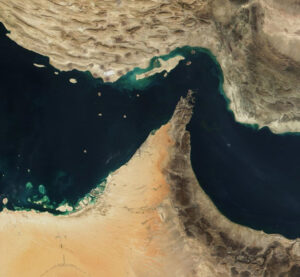
UNITED NATIONS, Jul 10 2026 (IPS) - Renewed attacks on commercial vessels in the Strait of Hormuz have intensified concerns over global energy markets along with supply chain disruptions, as the United Nations calls for an end to escalating hostilities within the Persian Gulf.
According to the International Maritime Organization (IMO), three merchant vessels were reportedly struck amid new attacks, prompting IMO Secretary-General Arsenio Dominguez to condemn the violence and urge “maximum restraint and de-escalation”.
“No seafarer should have to risk their life simply for doing their job,” Dominguez said, warning flag states, ship owners and operators against exposing their crews to unnecessary danger by transiting through the Strait.”
Approximately 6,000 seafarers still remain stranded aboard hundreds of vessels. The Strait used to handle around 130 transits daily, now seeing around 30 transits as of July 10th daily, according to the Strait of Hormuz Tracker.
The disruptions have lasted more than 100 days, placing continuous pressure on global energy markets and countries dependent on imports from the Gulf. The UN Economic Commission for Europe (UNECE) warned that market volatility, elevated prices, and localized supply disruptions could continue for months.
“We can expect prices and price volatility to remain high and supply disruptions – especially in local markets – to continue for the months ahead,” said UNECE’s Dario Liguti, Director of Energy, Housing & Land Management Division (UNECE).
Liguti mentioned that although a global shortage of fuel and fertilizers have been avoided, the effects of this year’s disruption will still be felt “even if the situation normalizes rapidly”. Liguti also stressed that strategic oil reserves are at their lowest levels in decades.
For global supply chains, continued instability could increase transportation and insurance costs, along with complicating shipping schedules and further extending shipping delays. The Strait of Hormuz Tracker records a war-risk premium increase of 53.3 times normal rates, jumping from 0.15 percent to 8 percent. Currently 120 tankers, 90 bulk carriers, and 90 other ships are waiting to transit, raising production and transportation costs across industries, extending its damage far beyond countries directly dependent on Gulf energy exports.
The latest attacks come as diplomatic efforts to end the conflict have struggled to gain traction. Responding to renewed hostilities in the Strait, during a UN press briefing the Secretary-General’s Spokesperson Stéphane Dujarric called for an immediate return to negotiations.
“This tit-for-tat needs to stop,” Dujarric said. “A return to diplomacy is urgently needed for the sake of stability in the region, for the sake of global stability.”
The renewed violence has also raised questions over the future of the Memorandum of Understanding (MOU) intended to put a cease on the conflict for at least sixty days. Accord Referring to the agreement, U.S. President Donald Trump said “As far as I’m concerned, it’s over.”
UN Secretary-General António Guterres has reiterated the UN’s readiness to aid diplomatic efforts. His personal envoy to the conflict in the Middle East, Jean Arnault, remains in contact with relevant parties, while the IMO continues to address maritime security within the Strait.
As the attacks continue, and diplomatic efforts remain uncertain, prolonged disruptions to one of the world’s most strategic waterways risks further destabilizing energy markets and global supply chains, which have faced months of disruptions. Continued instability will only worsen the effect, as Liguti reiterates
“If the instability does continue, we should get ready for another rise in prices and a larger-scale raw material shortage”.
IPS UN Bureau Report