
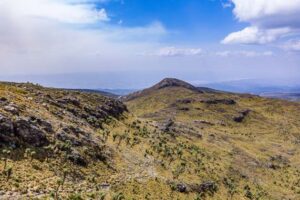
NAIROBI, Kenya, Sep 4 2026 (IPS) - Across the Kenya-Tanzania rangelands, communities have long understood a reality that the global community is increasingly recognising: healthy rangelands support livelihoods, wildlife, water resources and local economies. They are among Africa’s most important natural assets and a foundation for resilience in a changing climate.
That lesson is especially relevant today. As East Africa prepares for the potential impacts of a strengthening El Niño, the focus should not be on rainfall totals alone. Forecasts point to an increased likelihood of wetter-than-normal conditions across much of the region, although the timing and distribution of rainfall may vary significantly.
Increased rainfall can improve pasture and water availability, but it can also increase flood risks and disrupt livelihoods, infrastructure and ecosystems. These conditions underscore the importance of healthy rangelands, reliable water sources and strong community-led approaches that help people prepare for and adapt to climate shocks.
One of the strongest messages to emerge from COP17 was the recognition of Indigenous Peoples, local communities and pastoralists as essential partners in restoring land and building resilience. Across Africa, communities are not simply beneficiaries of conservation and restoration efforts; they are often the people leading them
It was against this backdrop that governments, communities and development partners gathered in Ulaanbaatar, Mongolia, for UNCCD COP17.
The conference highlighted a growing global understanding that drought, land degradation, biodiversity loss, climate change, water security and livelihoods are closely linked challenges that must be addressed together. It also signalled a stronger focus on turning commitments into action through new partnerships, investments and initiatives aimed at strengthening resilience on the ground.
For Africa, this attention could not be more timely.
Rangelands cover nearly half of the continent’s land surface and support hundreds of millions of people. They underpin pastoral and livestock-based economies, sustain biodiversity and tourism, contribute to water security, and help communities adapt to a changing climate. Yet many of these landscapes face increasing pressure from recurring droughts, land degradation and growing climate risks.
The Kenya-Tanzania rangelands illustrate both the scale of the challenge and the opportunity. Stretching across some of East Africa’s most important wildlife and livestock landscapes, they support people, livestock and wildlife across interconnected ecosystems. Their future depends on how effectively land and water resources are managed today.
One of the strongest messages to emerge from COP17 was the recognition of Indigenous Peoples, local communities and pastoralists as essential partners in restoring land and building resilience. Across Africa, communities are not simply beneficiaries of conservation and restoration efforts; they are often the people leading them.
Across Kenya’s rangelands, community conservancies demonstrate what can be achieved when local knowledge is matched with investment and long-term partnerships.
A community conservancy is a locally governed institution through which landowners voluntarily work together to manage land, wildlife and other natural resources for shared social, economic and environmental benefits. These conservancies help protect wildlife while supporting livelihoods and improving the management of land and water resources.
A good example can be found in northern Kenya, where community conservancies operate across connected landscapes that support both pastoral livelihoods and wildlife. In these drylands, healthy grass is not simply an environmental asset; it underpins household income, livestock production and food security.
Community-led grazing systems help manage when and where livestock graze, protecting critical grazing areas during dry periods and allowing grasslands time to recover. Together with improved water management and restoration efforts, these approaches strengthen drought preparedness while supporting wildlife, livestock and local economies. They show that conservation and development do not have to compete. When communities are supported to lead, both people and nature can thrive.
These experiences point to an important lesson: while restoring degraded land remains essential, preventing degradation in the first place is often more effective and less costly. Healthy rangelands are built through long-term commitment, local leadership and sustained investment.
COP17 also elevated the importance of sustainable rangeland management through the Steppe Action Agenda and the Rangelands Flagship Initiative.
Together, these efforts seek to advance the conservation, sustainable management and restoration of rangelands while increasing investment and coordinated action to strengthen the resilience of pastoral and rangeland-dependent communities. They reflect growing recognition that healthy rangelands are essential for resilient communities, thriving biodiversity, water security and adaptation to climate risks.
Importantly, the conference also underscored that restoring land is not a financial burden. It is a strategic investment in resilience, livelihoods and prosperity.
This was reflected in the launch of the Drought Resilience Investment Facility (DRIF), which aims to help countries move from responding to drought crises to preparing for them. COP17 also announced approximately US$1.3 billion in new and pipeline financing for land restoration and drought resilience across 23 countries. Together, these commitments signal a growing shift towards proactive resilience-building rather than repeated emergency responses.
The challenge now is ensuring that investment reaches the communities doing the work on the ground. Success will depend not only on the amount of funding available, but also on strengthening the institutions, conservancies and partnerships that help manage land and water resources over the long term.
As governments, development partners, philanthropies and the private sector look to scale solutions across Africa, rangelands deserve far greater attention. They are among the continent’s most valuable assets for food security, biodiversity conservation, economic development and climate resilience.
COP17 highlighted what communities across Africa’s rangelands have known for generations: healthy land supports healthy communities. The task now is to turn that recognition into action through sustained investment, stronger partnerships and greater support for the people already managing these landscapes for the benefit of current and future generations.
Samson Kuraru is Northern Kenya Conservation Coordinator, The Nature Conservancy