
UNITED NATIONS, Sep 4 2026 (IPS) - While Uganda announced the end of its Ebola outbreak last week, the Democratic Republic of Congo (DRC) continues to battle its deadliest Ebola outbreak to date. As of September 1st, there have been over 6,000 cases, including over 3,000 deaths, with Ituri standing as the most affected province.
In a post on X on September 2, Tedros Adhanom Ghebreyesus, Director-General for the World Health Organization (WHO) expressed his concern that most deaths were still occurring in communities rather than in treatment centres, and among people who were not known contacts. This implies that there may be several methods of transmission that are unknown and several underreported cases.
“Until every chain is broken, the epidemic will continue to pose a threat to the DRC, its neighbours and the region as a whole,” said Dr. Tedros.
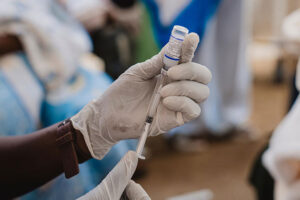
The outbreak has spread substantially, and with continued transmission, high mortality, and an urgent need to reduce preventable deaths, there have been talks of using the Ervebo® vaccine, the only currently licensed Ebola vaccine available, to treat patients. The vaccine was licensed and prequalified by the WHO in 2019 for the prevention of Ebola virus disease caused by Ebola virus (EBOV) in individuals aged one year or older. This vaccine, however, is not licensed for use against Bundibugyo virus (BDBV), and therefore the use of Ervebo® against BDBV would be considered off-label use for the current virus.
The Bundibugyo virus (BDBV), which is causing the current outbreak, differs from the last outbreak caused by the Ebola virus (EBOV). BDBV and EBOV cause Ebola disease that is clinically similar but are different in the genetic material they contain. Although the vaccine is highly effective against EBOV, the WHO said it remains unknown how much the immunity provided by the approved vaccine protects against the virus causing the current outbreak (BDBV).
In its most recent published emergency guidance on the use of Ervebo®, the WHO has concluded that evidence available to date remains insufficient to support the programmatic use of Ervebo® for the prevention of BDBV disease, and the vaccine should only be used within the context of a research protocol.
The WHO recommends testing Ervebo® vaccine in a carefully run trial to determine whether it protects against BDBV. During a serious outbreak, wider use may be considered, but only as part of research with a clear safety plan. They emphasized that communities should be told that vaccination does not replace proven outbreak-control measures.
Additionally, there has been promising progress in efforts to create targeted treatments against the new virus variant. “Two new vaccines against Bundibugyo virus are now in safety trials in the UK and Canada,” Dr. Tedros told reporters in Geneva on Wednesday. He announced that the phase 1 clinical trials are being held by the U.S.-based Moderna group using mRNA technology, and another by the University of Oxford.
IPS UN Bureau Report