
KYIV, Ukraine, Oct 14 2026 (IPS) - Medicine is supposed to protect human life and dignity. Yet testimonies from Ukrainians released from Russian captivity reveal a disturbing reality: medical personnel in places of detention have not only denied prisoners necessary treatment but, in documented cases, participated in torture and ill-treatment.
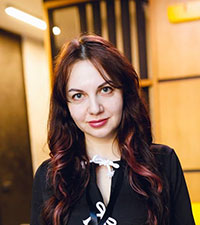
Anna Trushova
The research draws on testimonies from 16 people released from Russian captivity, including former detainees and medical professionals. Their accounts describe the denial of medical assistance, the neglect of serious injuries and illnesses, degrading treatment, and the concealment of evidence of violence. Some testimonies describe medical personnel directly participating in acts of torture.
One of the most troubling findings is the consistency of these accounts. Previous reports have documented abuses by medical staff, but this research systematically examines testimonies alongside the legal and regulatory framework governing medical professionals in Russia. Its findings suggest that the violations cannot be dismissed as isolated misconduct.
Russian medical personnel are bound not only by international humanitarian law and professional medical ethics but also by domestic rules that require them to provide care and to refrain from causing harm. The documented abuses, therefore, raise questions about violations of both international obligations and Russia’s own legal standards.
The consequences extend far beyond the detention facilities. People returning from captivity often require prolonged medical treatment and rehabilitation. Their families, meanwhile, must cope with the lasting effects of imprisonment, serious illness, and loss.
Sofia Krokhmaliuk, whose father, Oleksandr Krokhmaliuk, headed the Azov brigade’s medical service and died in captivity, described the pain of receiving his body back in Ukraine. She said the condition of his remains indicated that he had not died of natural causes.
Another family has spoken about the consequences that can persist after release. Ukrainian serviceman Oleksandr Savov spent more than 1,000 days in Russian captivity and returned home on March 19, 2025. He died of heart failure on November 16 that year, aged 46. His daughter, Anastasiia Savova, has emphasized that release does not mean the end of a crime: its consequences can last for the rest of a person’s life.
These stories demonstrate why the right to medical care in captivity cannot be treated as a secondary humanitarian concern. For people held in conditions where they have little or no access to independent assistance, medical care may be essential to their survival. Its deliberate denial can itself become a form of cruel treatment.
The Center for Civil Liberties’ research adds another dimension by examining the role of medical personnel within this system. It also reinforces the need to document individual responsibility and preserve evidence for future investigations and prosecutions.
Accountability is possible, even when it takes years. Thorough documentation can help identify those responsible, establish patterns of abuse, and provide evidence for national and international legal proceedings. Impunity, by contrast, creates conditions in which violations can continue.
That is why more than 90 Ukrainian organizations and institutions have appealed to the World Health Organization (WHO), urging it to respond to the systematic denial of medical care and the documented involvement of medical personnel in torture and ill-treatment.
The appeal calls for stronger international monitoring of detention facilities, including through cooperation with the International Committee of the Red Cross, United Nations mechanisms, and independent medical organizations. It also urges support for documenting abuses, identifying those responsible, and securing medical evacuation for severely wounded and seriously ill prisoners of war and unlawfully detained civilians.
The WHO cannot replace international investigators or courts. But its professional authority and international reach can help bring these violations to the attention of the global medical community and strengthen calls for independent access, accountability, and protection.
The immediate priority must be to help those still held in captivity receive the medical care they need. At the same time, the international community must ensure that allegations of medical personnel participating in torture are investigated rather than ignored.
Medicine must never become an instrument of repression. When those entrusted with protecting life become involved in abuse, the response must extend beyond professional condemnation. It must include independent monitoring, effective pressure, evidence preservation, and accountability.
For Ukrainians who remain in Russian captivity, these measures are not abstract questions of ethics or international law. They may determine whether they receive treatment, whether their suffering is documented, and whether they live to return home.
Anna Trushova is human rights defender and communications manager at the Center for Civil Liberties
IPS UN Bureau